















"Thai Deputy Defense Minister Condemns Cambodia Over Landmine Incident Injuring Thai Soldiers; Keo Remy, however, warned, 'Please do not walk like a crab.'" | BREAKING: Tensions Escalate: Thai Troops Prepare to Launch Unauthorized Attack on Cambodian Territory Amid Internal Political Strife | Cambodia Rebuts Thailand’s Baseless Landmine Allegations and Urges Diplomacy to Maintain Regional Peace | Cambodia Accuses Thailand of Using Landmine Incidents as a Political Tool and Violating Ceasefire Agreements | Breaking: Kandal Provincial Police Arrest Notorious Lotion Manufacturer Love Riya | Cambodia Clarifies Misleading Claims About Ottawa Convention Meeting in Bangkok | Cambodia, China, and Thailand Discuss Regional Cooperation and Border Disputes at Mekong-Lancang Meeting | Smile Asia Philanthropic Visionary Award” Presented to Dr. Pich Chanmony Hun Manet | Cambodia & Thailand Call for Restraint and Adherence to International Agreements | International Observer Team Conducts Monitoring Visit Following Cambodia–Thailand Ceasefire Agreement | Cambodia, Vietnam Strengthen Ties in High‑Level Video Conference; Aim for $20B Trade |

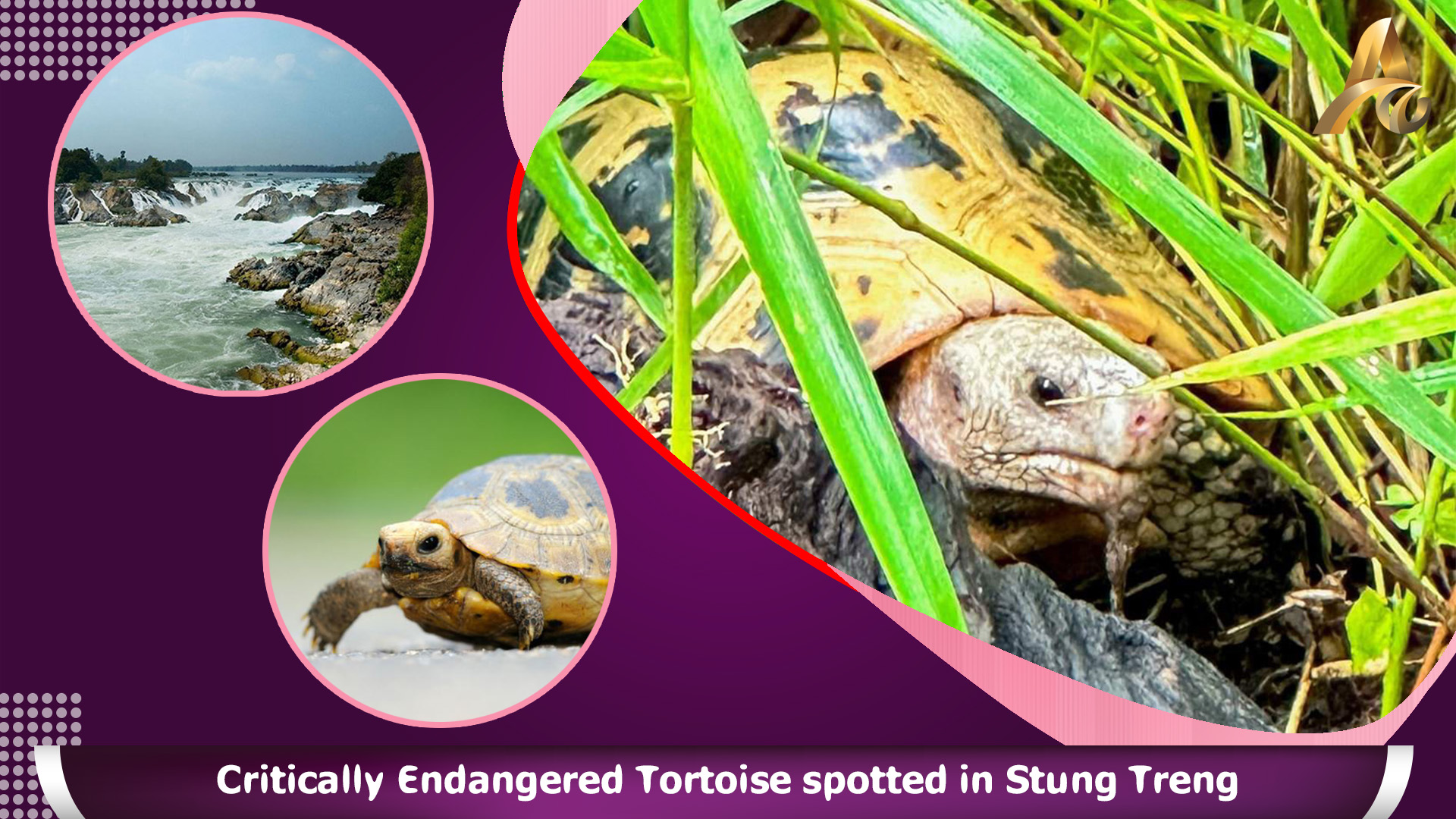
Critically Endangered Tortoise spotted in Stung Treng

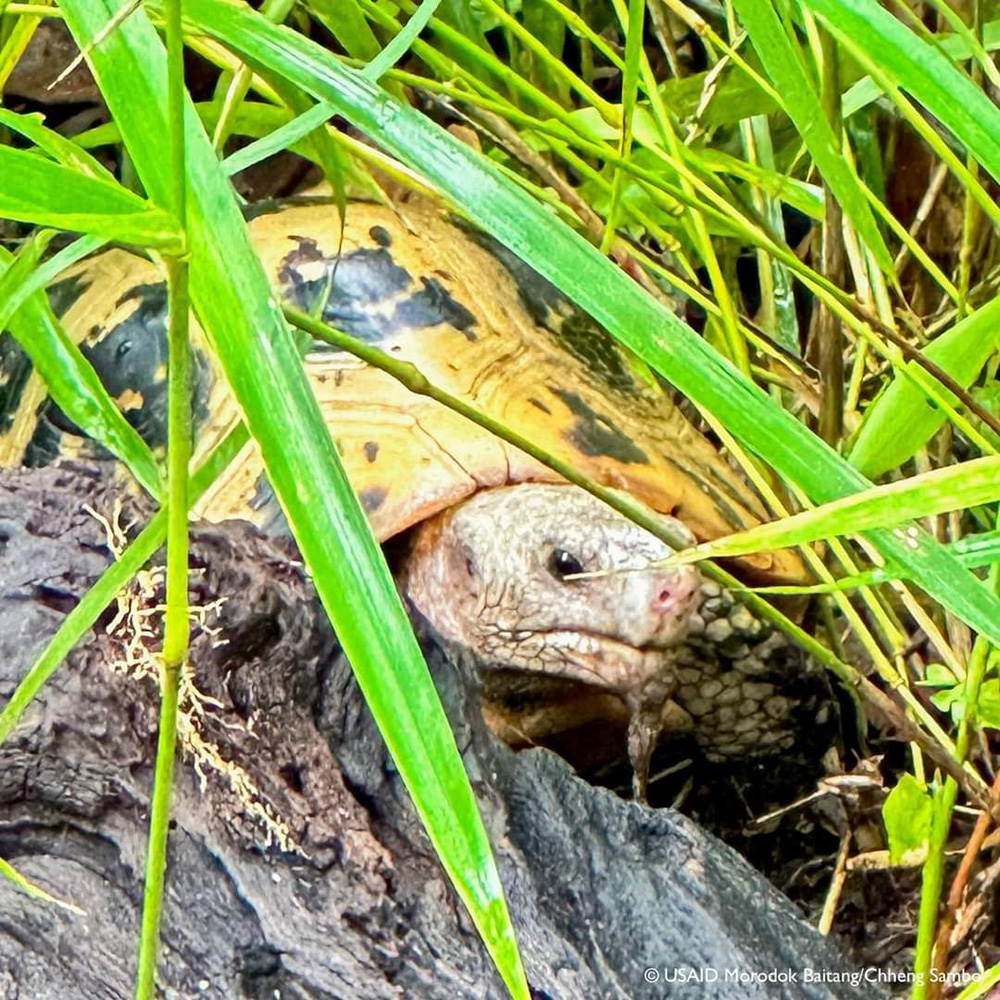
STUNG TRENG: Conservationists announced good news this week after a critically endangered elongated tortoise (Indotestudo elongata) was spotted in Stung Treng.

The United States Agency for International Development (USAID) Morodok Baitang said that the tortoise was found by its conservation team in Stung Treng’s Siam Pang District in September.

The elongated tortoise is on the IUCN Red List as critically endangered due to habitat loss, trapping for traditional medicines and food, and the pet trade. The omnivores exist in South and Southeast Asia and consume plant matter, leaves, fruits, mushrooms, and invertebrates.

The elongated tortoise is the most commonly confiscated turtle and tortoise species in the Eastern Plains of Cambodia’s Mondulkiri province. They spend most of their time resting in piles of leaf litter and rarely venture out into direct sunlight, so most of their activity occurs at dawn or dusk. They exhibit an increase in activity during the rainy season and are easily identified by their distinctive elongated shell.



Related News